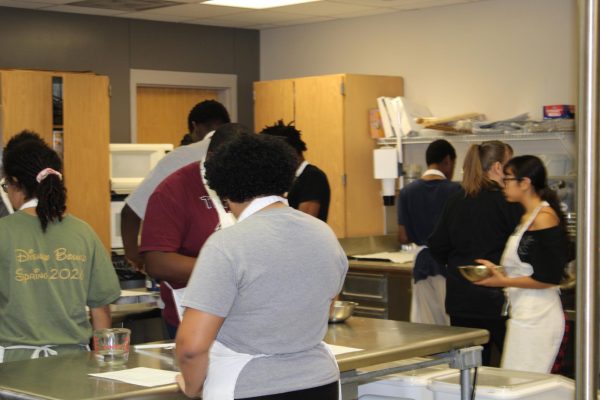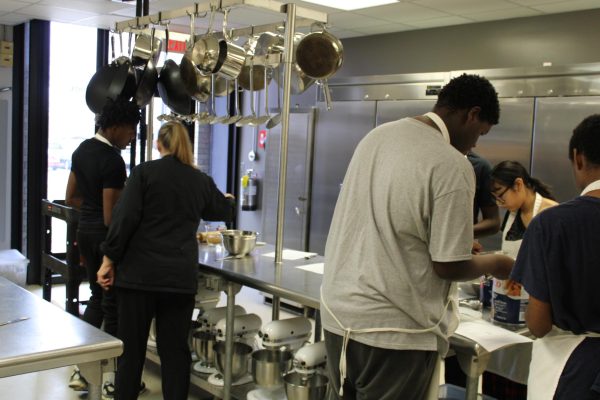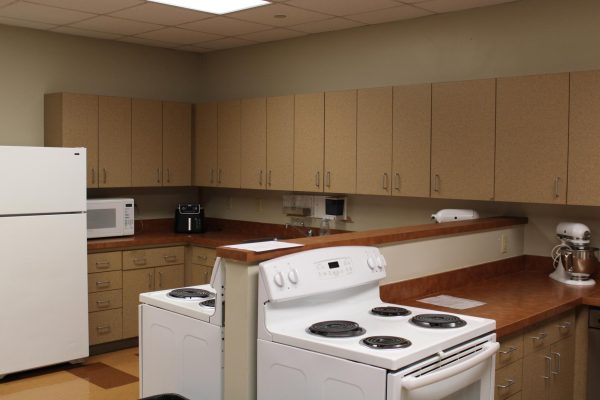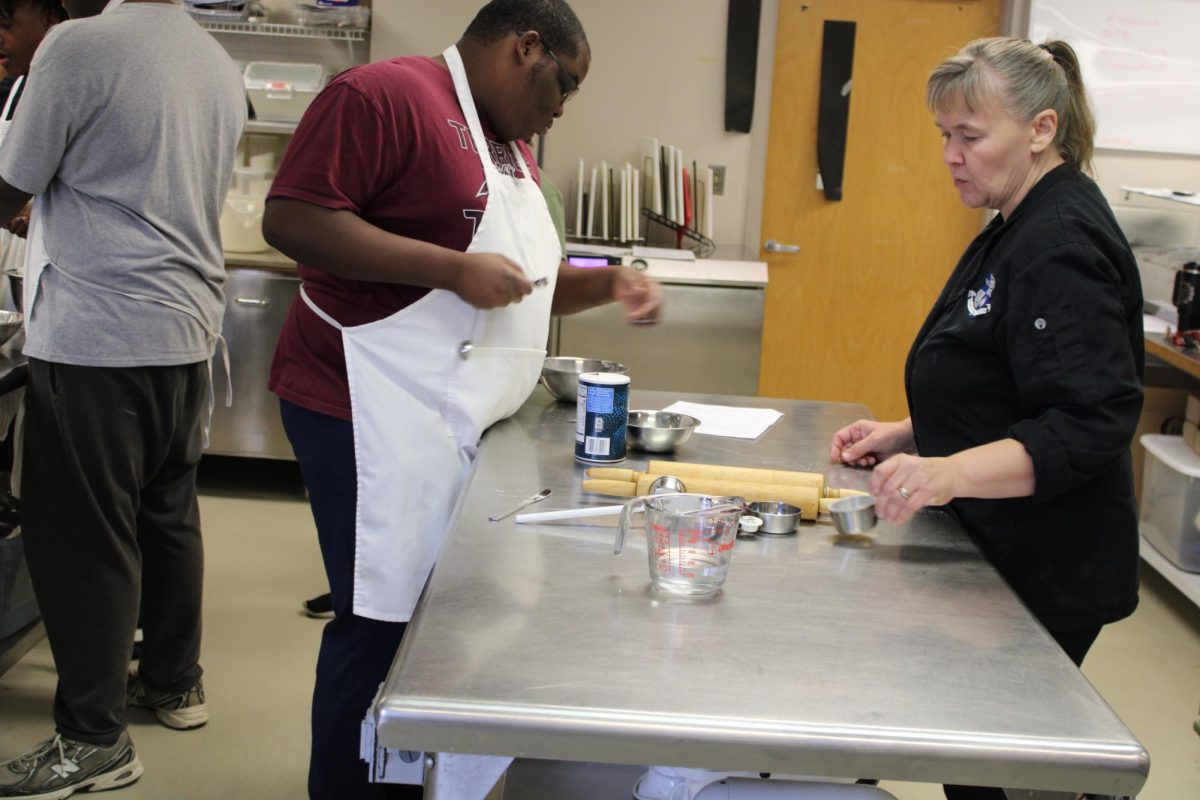
Mrs. Jerrell brings 25 years of culinary teaching experience to the classroom, making her a seasoned expert in the field. Before returning to culinary education, she spent several years in Florida teaching subjects like parenting and consumer education. This diverse background adds to her ability to connect with students and manage a well-rounded classroom environment. Now back in culinary, she has revamped her class structure to be more organized and focused, reflecting her high standards and deep understanding of what the culinary industry expects from aspiring chefs. To handle the busy nature of hands-on cooking labs, she frequently collaborates with a lab assistant who helps manage the flow and ensures students get the guidance they need. One of her favorite units to teach is yeast bread, which is both fun and educational. Students get to make a variety of yeast-based foods such as soft pretzels, pizza dough, and garlic bites, learning essential baking techniques and the science behind yeast fermentation.
Safety in the culinary classroom is a major concern, and Mrs. Love, another teacher I interviewed, emphasized this point strongly. Proper dress code is enforced to prevent accidents—students must avoid wearing anything too loose or baggy that could get caught in kitchen equipment. Hair should be tied back, and closed-toe shoes are a must to protect feet from spills or dropped utensils. Safe handling of kitchen tools, especially knives, is drilled into students from day one. Knives should always be carried with the blade pointing down and handled carefully to avoid cuts. Mrs. Love also stresses that fooling around in the kitchen is strictly prohibited since it can lead to dangerous accidents like flicking towels or tripping others, which could cause serious injuries.
The culinary field offers a wide range of career opportunities, and Mrs. Love shared some insights about the paths students can take. Many start by gaining experience in fast-food restaurants, which teach foundational skills and a fast-paced work ethic. From there, students can aim for higher positions such as sous chef, a role that involves assisting the head chef and managing kitchen operations. Local casinos in the Carterville area provide some of these opportunities. Other entry-level options include working as a barista or getting seasonal jobs at popular local events like the Du Quoin State Fair or the Apple Festival in Murphysboro. These jobs help students build valuable customer service and food preparation skills.
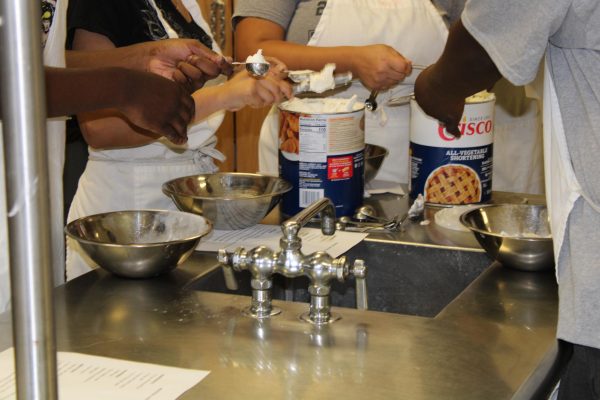
Mrs. Love highlighted the importance of learning to read and understand recipes thoroughly. It’s not just about following the words on the page; students need to grasp the cooking techniques, measurements, and timing to successfully recreate dishes. This skill is essential for making a variety of foods, from simple tacos and homemade pizza to more complex dishes like pasta, cookies, and cakes. Mastering recipe reading empowers students to experiment confidently in the kitchen and develop their culinary creativity.